Rice and Beans Calories: How Many Per Serving?
By Tafity — 3/25/2026
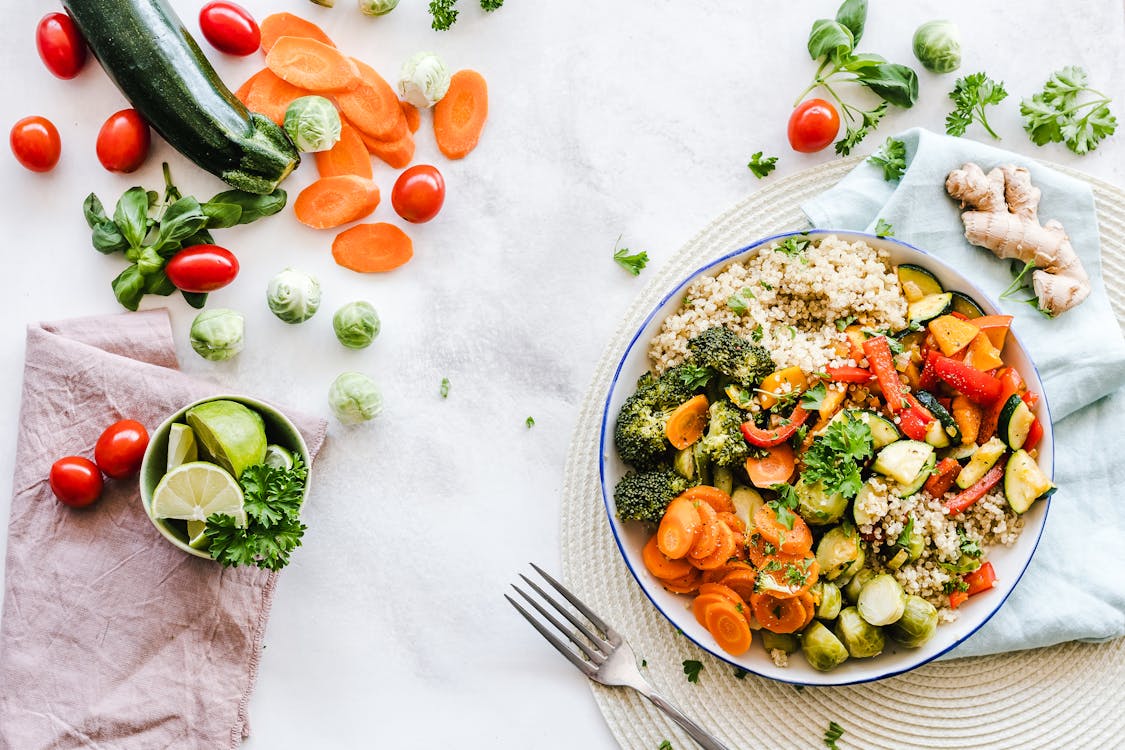
A portion of **rice and beans** is a cornerstone of the Brazilian diet, but its caloric value can vary significantly depending on the quantities and preparation method.
Considering one cup (approximately 186g or 6.5 oz) of **cooked white rice** without added oil or other seasonings, the calorie count is around **205 calories**. This information is based on data from the USDA (United States Department of Agriculture). White rice is a primary source of complex carbohydrates, providing quick energy for the body.
Meanwhile, **cooked pinto beans**, also in one cup (approximately 172g or 6 oz), add about **227 calories**. Beans are an excellent source of plant-based protein, fiber, iron, and other essential micronutrients. The combination of rice and beans creates a complete amino acid profile, making it a high-biological-value protein, even though it's plant-based.
When calculating the total, a standard serving of rice and beans (one cup of each) can therefore contain approximately **432 calories**. It's crucial to note that preparation can alter these numbers. For example, cooking rice with more water or adding oil/butter when sautéing beans will increase the caloric content. Sugar or sweeteners added to beans, common in some preparations, also add calories.
For a more detailed analysis, we can look at the nutritional contribution of each component:
| Food (1 cup cooked) | Calories | Carbohydrates (g) | Protein (g) | Fat (g) |
|---------------------|----------|-------------------|-------------|---------|
| Cooked White Rice | 205 | 45 | 4.3 | 0.4 |
| Cooked Pinto Beans | 227 | 41 | 15 | 1 |
| **Total (Approx.)** | **432** | **86** | **19.3** | **1.4** |
Source: USDA FoodData Central (average values for 1 cup, approx. 186g rice and 172g beans).
Carbohydrates are the predominant macronutrient in a rice and beans meal, providing most of the energy. The protein from beans is vital for building and repairing tissues, while fiber promotes satiety and digestive health. Fats are generally low unless oils or other fat sources are added during preparation. Beans, in particular, are recognized for their ability to promote **satiety**, which can be an ally in weight management diets.
It should be emphasized that the quality of preparation is a determining factor. Opting to sauté beans with minimal oil and cook rice only with water can keep the meal lighter and more nutritious. For vegetarians and vegans, this combination is an essential source of complete protein. For those seeking **muscle gain**, including rice and beans in their diet can be advantageous, provided that the total daily protein intake is adequate. For those concerned with calorie control, portion moderation and attention to preparation methods are fundamental. Balanced meals that include rice and beans can contribute to a healthy and diverse diet, much like the Spinach and Cheese Fitness Omelet often featured on Tafity.
## Quick Summary
* A 1-cup serving of cooked white rice has about 205 calories.
* A 1-cup serving of cooked pinto beans has approximately 227 calories.
* The combination of rice and beans in equal portions totals, on average, 432 calories.
* Preparation (addition of oil, seasonings) can significantly increase the total caloric value.
## Frequently Asked Questions
**Why are rice and beans important?**
They are a complete source of plant-based protein, carbohydrates, fiber, and micronutrients, offering energy and aiding overall health.
**Can I eat rice and beans on a weight loss diet?**
Yes, in moderation regarding portion sizes and with attention to preparation methods, as they are nutritious and promote satiety.
**Which type of bean has fewer calories?**
The caloric variation between cooked bean types is minimal; pinto beans and black beans have similar counts, both around 220-230 calories per cup.